Navigating Futility in Complex Care: Where Ethics, Law, End-of-Life Decisions, and Organ Donation Intersect
A cross-disciplinary panel on death determination, withdrawal of care, advanced healthcare directives, and the donation pathways that depend on getting these decisions right.
Groote Schuur Hospital, Cape Town
Red Cross Children's Hospital, Cape Town
Jaslok Hospital, India
Maastricht University, Netherlands
Thusa Consulting
About This Webinar
When ongoing treatment can no longer change the trajectory of illness or injury, clinicians and families face some of medicine’s most complex decisions: When does continued intervention stop being medicine and become something else? When does the obligation to treat give way to the obligation to let go? And when a patient can no longer speak for themselves, whose voice carries authority?
These are not hypothetical questions. They arise every day in ICUs, general wards, oncology units and emergency departments, often without ethical frameworks that feel workable under pressure, and without a clear understanding of what implementing guidelines actually means for clinicians at the bedside.
How we determine death, how we approach withdrawal of treatment when ongoing care is futile, and how honestly we hold these conversations with families all influence whether organ donation becomes possible.
In a country where the transplant waiting list continues to grow faster than the donor pool, the end-of-life conversation is also, quietly, a donation conversation.
This session brings together an exceptional panel of South African and international experts, combining decades of clinical, ethical, and legal experience across some of medicine's most difficult decisions. Each brings a different lens to the same central question: when treatment no longer changes the outcome, how do we decide what comes next — and how do we do so ethically, legally, and compassionately?
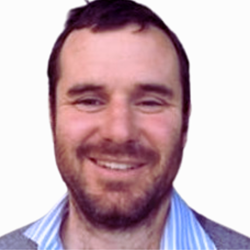
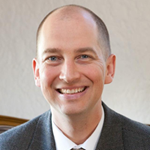
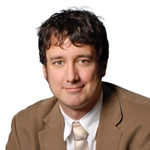
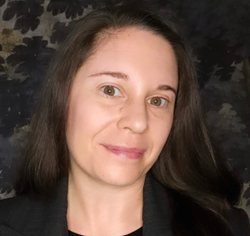
Professor David Thomson, a critical care subspecialist and transplant surgeon at Groote Schuur Hospital and the University of Cape Town, is on the front lines of these decisions every day and is working to create systems that better support clinicians and families as they navigate this complex period.
Associate Professor Johannes (Nico) Enslin, Head of Unit: Paediatric and Functional Neurosurgery at Red Cross War Memorial Children's Hospital, brings expertise from some of the most challenging neurological cases — where questions of prognosis, uncertainty, and futility are never abstract.
Associate Professor David Shaw is a Senior Research Fellow at the Institute for Biomedical Ethics, University of Basel, and an Associate Professor of Health Ethics and Law at Maastricht University — bringing a global perspective on how ethical and legal frameworks shape end-of-life care, organ donation, and shared decision-making across the UK and Europe.
Dr Sanjay Nagral is Director of Surgical Gastroenterology at Jaslok Hospital and Research Centre in Mumbai, an internationally recognised surgical ethicist and former Co-Chair of the Declaration of Istanbul Custodian Group, whose work has challenged both overtreatment and the systemic invisibility of medical futility in resource-constrained healthcare settings.
Sanja Bornman is a Senior Attorney and a member of the Advance Directives Coalition Steering Committee. Through her company Thulsa Consulting, she works at the forefront of evolving healthcare directive law in South Africa, exploring how constitutional and legislative developments intersect with clinical realities and what this means for patient autonomy, surrogate decision-making, and end-of-life care at the bedside.
Together, we'll examine where South African law and clinical practice diverge, what futility of care means in practice, and how clinicians and families navigate decisions when treatment may no longer offer meaningful benefit.
We'll explore what we can learn from international frameworks without simply importing assumptions that may not fit our context — and how earlier, more honest conversations about the limits of treatment can open, rather than close, the possibility of donation.
Join us for this important conversation about the human realities behind some of medicine's most difficult moments.
- Define medical futility in clinical terms and understand the ethical obligations it creates for the treating team
- Describe the current legal standing of advanced healthcare directives in South Africa and identify what is and is not enforceable
- Understand the clinical and legal criteria for death determination — and how these relate to donation after brain death (DBD) and donation after circulatory death (DCD) pathways
- Recognise how the timing and framing of end-of-life conversations directly affects the possibility of organ donation
- Identify key differences and lessons from European, UK, and Indian approaches to futility, withdrawal of care, and donation ethics
- Leave with a clearer framework for initiating these conversations earlier — and for understanding when and how to involve donation services
Meet the Expert Panel
Five specialists across critical care, neurosurgery, surgical ethics, bioethics, and medico-legal practice — bringing South African and international perspectives to medicine’s most difficult conversations. Click any card to read the full biography.