Transplanted | Tiny Lives, Tough Decisions: Paediatric Organ Donation and Transplant
From systemic scarcity to equity, ethics, and advocacy — a critical lens on paediatric liver transplantation in South Africa.
You need to be registered on eLecture to access this recording. Registration is free.
About This Session
Children with end-stage liver disease in South Africa face a uniquely difficult road. The paediatric donor pool is small, the ethical terrain is complex, and the referral pathway to a transplant centre is too often delayed by misconceptions about who qualifies, what is possible, and who gets priority. At the centre of this landscape sits Dr Marisa Beretta — one of the country's leading paediatric hepatologists and a member of the specialist team at Wits University's Donald Gordon Medical Centre, home to South Africa's largest paediatric liver transplant unit.
In this session, Dr Beretta takes us inside the realities of paediatric organ donation and transplantation — from what low donor numbers actually mean for clinical outcomes, to the allocation decisions that determine which children receive organs first, to the myths that continue to shape both public perception and clinical practice. She brings to this conversation not only clinical expertise but a long-standing commitment to equity and advocacy: ensuring that children from across South Africa, regardless of geography or circumstance, have a genuine pathway to transplant.
This session is designed for any clinician — paediatrician, general practitioner, intensivist, or specialist — who cares for children and wants to understand when and how to refer, what the transplant process looks like for a child, and how their role connects to outcomes for one of medicine's most vulnerable patient groups.
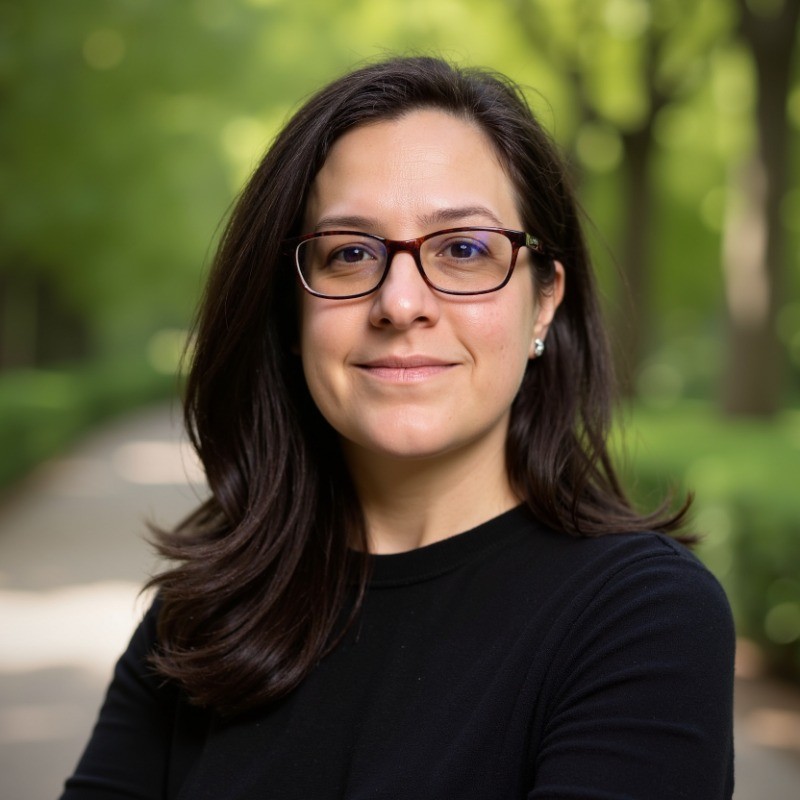
Meet Dr Marisa Beretta
Paediatric Hepatologist, Wits University Donald Gordon Medical Centre — South Africa's largest paediatric liver transplant unit. Click the card to read the full biography.